RNR 349 - How 2025 Changed the React Native Job Market (with Taylor Desseyn)
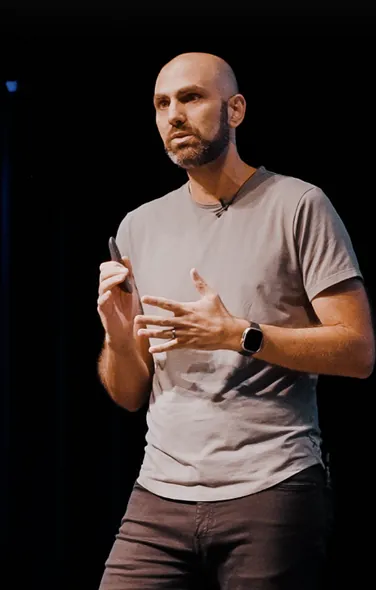
Mazen and Robin are joined by fan-favorite Taylor Desseyn to discuss how the React Native job market has shifted in 2025 and why community matters more than ever. They break down what skills companies want now and how developers can stand out in a tighter market.
Show Notes
- RNR 302 - Landing a Job with Taylor Desseyn
- Thelma & James (The band Taylor worked with that went viral on TikTok)
- Torc
- Torc's Community (Discord)
- Infinite Red Community (Slack)
- Taylor’s Keynote
Connect With Us!
- Taylor Desseyn: @tdesseyn
- Mazen Chami: @mazenchami
- Robin Heinze: @robinheinze
- React Native Radio: @ReactNativeRdio
This episode is brought to you by Infinite Red!
Infinite Red is an expert React Native consultancy located in the USA. With over a decade of React Native experience and deep roots in the React Native community (hosts of Chain React and the React Native Newsletter, core React Native contributors, creators of Ignite and Reactotron, and much, much more), Infinite Red is the best choice for helping you build and deploy your next React Native app.
Jed Bartausky:
Welcome back to another episode of the React Native Radio Podcast, episode 349. How 2025 changed the React Native Job Market with the one and only Taylor Desseyn.
Mazen Chami:
Alright, welcome back everyone. And I also want to welcome back Robin from her sabbatical. Welcome back. Robin.
Robin Heinze:
What? Hello?
Mazen Chami:
Yeah, it's nice to have you again. It's not just me.
Robin Heinze:
Been a minute. I didn't go anywhere. I just didn't do the podcast for a couple months.
Mazen Chami:
Yeah, you were tired of me.
Robin Heinze:
That's fine. It was definitely about Mazen.
Mazen Chami:
A hundred percent.
Robin Heinze:
No, when you do something for five years, sometimes you just get a little break. It's okay.
Mazen Chami:
Yeah, no, it's,
Robin Heinze:
I'm really happy to be back though. I started to miss it.
Mazen Chami:
Yeah,
Robin Heinze:
Happy to be here.
Mazen Chami:
Nice to have you back. Well, I'm Mazen, she's Robin, and we're a React native radio today we have very special guest Taylor who's coming to us. Thank you for coming onto the show. Think the last time you were on here was RR 3 0 2, which landed in July of 24, so over a year now.
Taylor Desseyn:
I know I'm pumped to be here. Thanks for having me. It means a lot.
Mazen Chami:
Yeah.
Robin Heinze:
Super excited to have you back.
Mazen Chami:
So Taylor, for our guests that don't know you, do you mind introducing yourself?
Taylor Desseyn:
Yeah, absolutely. So my name is Taylor Desseyn, Mazen. Great job. Nailed my last name, man. I mean, I know we're friends, but that ey throws a lot of people for the loop.
Robin Heinze:
Okay. What weird, weird variations do you get on the regular?
Taylor Desseyn:
I've had Destin, there's no tea.
Robin Heinze:
Destin.
Taylor Desseyn:
Yeah, there's no tea and people somehow
Robin Heinze:
Throw Destin in
Taylor Desseyn:
Florida like Destin, Florida
Robin Heinze:
Smarter
Robin Heinze:
Every day.
Taylor Desseyn:
Sure. Or that I don't. Yeah, so Destin, Deion dee
Mazen Chami:
De
Taylor Desseyn:
I could see Deion. Yeah. Yeah. But fun fact, if you ever run into another Desseyn in the world, they are directly related to me. It's that rare of a name. It is a very rare name, but
Robin Heinze:
Yeah, be like, Hey, you know Taylor? Yeah,
Taylor Desseyn:
Yeah, yeah. Do you know the other Destin, the one that's always on the internet? Yeah. Anyways, we're not here to talk about my family lineage. So again, Taylor Destin been in the talent staffing world for over 14 years now, which is wild. Actually, Facebook popped up my first business card the other day and it's just crazy to think about how my career is twisted and turn. I'm super grateful for it. But yeah, so kind of started as your traditional recruiter. I moved to Nashville to do music. I think That's interesting. Moved to Nashville to do music. I played at the Honky Tonks until 3:00 AM did country Covers, even though I hate country. I did the whole music studio row thing and did some touring, but I was serving tables every night. I wasn't really smart. My wife can attest to that. And I was serving tables every night, not playing any music, losing money, and so I leveraged my network.
At the time, there was kind of a group of us that moved to Nashville together that we kind of all knew each other in our hometown and I was hanging out with one of them one night and I was like, does anybody know who's hiring? And this girl goes, well, I nanny for somebody who I think is hiring. And I said, great. I said, what do they do? She goes, I don't know, I'll find out for you. And so the next day she goes, well they're looking for a recruiter. And I was like, great, sign me up. I don't know what they do, but that sounds good. I dunno what that is. And so I interviewed and got the job two weeks later and I guess you could say the rest is history. So started out as a recruiter for really kind of hands-on recruiter for about 8, 7, 8 years of my career.
And then went into, well more about five, went into leadership, lead role manager, role division director, and then had a chance to start my own division when the market was repping back in 2021. Those were fun times. And then really, and I'm sure we'll talk about today, but really kind of started a talent marketplace and what Torque is at Vaco. The company I was at, I ran the entire thing off of a Trello board and we were very community first and at the time Vaco was PE backed, didn't see a lot of need for that, which I understand. And so then moved on, kind of did a quick stint at a startup here in Nashville and then ended up at Torque, which was recently bought by Ron said digital, the world's largest staffing company. So it's been a heck of a journey. That's awesome. Wow.
Robin Heinze:
I mean, okay, I know this is a React native podcast and we're going to talk about that.
Taylor Desseyn:
Yeah, definitely.
Robin Heinze:
But we could probably have a whole show on what you just glossed over, which was playing music in Nashville.
Taylor Desseyn:
Yeah, I'm actually hanging out with my lead singer and his wife tonight. They've actually made it, they put out a song that went viral on TikTok. John Mayer pushed it, Luke Comb pushed it, and so they're signed to Big Loud records now and he's made it for all intents and purposes and we're hanging out with he and his wife tonight. So we're still good friends, but before we go
Mazen Chami:
Into the sponsor read, you want to shout out their name?
Taylor Desseyn:
Yeah, so my buddy Jake Etheridge, I'm to tell him tonight like, Hey man, get this. I gave you a shout out on a React native podcast. He's going to be like, what in the world?
Robin Heinze:
So you might get a bunch of nerds in your audience
Taylor Desseyn:
If you get a lot of people that say react on their profile. Just a heads up. Yeah, and James Thelma and James is the band. Think people have compared 'em to the Civil Wars, kind of that folksy duo and we're great friends with he and his wife and they're fantastic people.
Robin Heinze:
Oh, that's cool. Well we'll put them in our show notes. I love it. I'm going to tell him maybe theyll get some hits. Love it. I love it. I love it.
Mazen Chami:
Well, we're always looking for music. You can play in the background while you're coding, right? As
Robin Heinze:
Developers go. Yeah, I
Mazen Chami:
Would say I would. That's
Robin Heinze:
Great. You tied it in.
Mazen Chami:
Yep, there you go. You
Robin Heinze:
Tied it in.
Mazen Chami:
Exactly.
Robin Heinze:
Professional.
Mazen Chami:
Awesome. Well, before we get into our topic, let's hear from our sponsor. Infin Redd is a premier React native consultancy located fully remote in the US. We have a team of 30 senior plus level React native developers and support staff and have been doing this for nearly a decade. If you're looking for React native expertise for your next project, hit us up at Infinite Red slash Radio. Don't forget to mention that you heard about us through the React Native Radio podcast. Alright, so let's get into our topic, our topic, state of react, native hiring, one that we try to do annually with Taylor. I've been getting a bunch of dms on LinkedIn recently, people asking, Hey, how can I find jobs? Are there even jobs that aren't even posted yet that will be coming on soon for us to look out for? You said that right now you're at torque and torque seems to be kind of pivoting away from the whole traditional job board. Find a job from this board, apply to it and go from there. More of community driven. What should I do if I'm looking for a job in 2025 or even 2026 next year coming up?
Taylor Desseyn:
Yeah, I mean this is a loaded question. We could probably talk for the next hour just on this one question, and I know people are tired about it. I'm tired of hearing about the job market or whatever. I'm going to say, and again, I want to put a disclaimer out there. You can put this in the show notes. I am only one person,
I always say this all the time. I'm extremely blessed and privileged to, as a recruiter, be invited onto podcasts like you all's and I know it carries some weight. You kind of have Taylor out here speaking on behalf of the marketer, the dev community. Again, I just want to say everything I say is just within my niche of the internet, but I think this can be true. I think we need to get over the fact of what happened in 2021 to 2022 or 2020 to 2023, whatever that timeframe was, exactly where jobs were just coming into your house. I mean, literally you could spell React native and get a job.
We're not there anymore and I don't think we're ever going to be there. And so I think the problem is a lot of people are still kind of hanging on to that and you need to stop. I mean, just flat out we have level set back to where we were before those few years. I also want to tell the individuals listening to this is that people are still finding jobs and you know how I know that everybody in my network on LinkedIn and on X are posting about jobs and are getting jobs, people are still getting jobs. I will also tell you this, I truly think that tech right now has a marketing problem, specifically ai, but as a whole, it's a marketing problem. The layoffs that are happening are not necessarily because of ai, it's because of the over hiring in 21, 20 22.
Robin Heinze:
And
Taylor Desseyn:
I still think we're dealing with that and I think we're going to still deal with that over the next five years. I think founders and engineering leaders are realizing that they don't need bloated teams, and I don't think that's because of ai. I really don't. I don't think now that's a whole nother conversation. I don't think we've seen the effects on AI and hiring yet. I truly think all we're dealing with right now is just the over hiring still and that there's a more emphasis on streamline more specific teams that accomplish more with less bloat. For me, for example, we're doing way more with less. We have a very small team and we are, I would say, out powering a lot of Devra teams with a lot greater team because we have fine tuned what the responsibilities are. So that's coming back. So my encouragement is it's not as bad as it seems people are still getting jobs, but you have to be a part of a community. You have to be leveraging your network and you have to do the basic building steps that if you want to know about join the Tork discord, obviously to Dev Discord we're talking about all the time. But if you do the fundamental blocking and tackling of the job search and actually apply yourself, you will find a job.
Robin Heinze:
I've mean, you said a lot of this is the over hiring from 2021, it sounds like there's macroeconomic reasons for where we are.
Jed Bartausky:
Yeah, yeah, yeah.
Robin Heinze:
It's not like AI is taking your job. No. In fact, we've actually seen kind of the opposite is that there's, right now there's seeing this sort of AI backlash a little bit in our spaces where there's this movement a little bit away from the whole in vibe coding AI revolution that we saw over the last eight, nine months, and we're actually backing away from that, and I'm seeing people really value the devs that can do better than the ai. So we're actually kind of seeing the opposite.
Taylor Desseyn:
I agree.
Robin Heinze:
What's funny is I use my email spam as an indicator economic indicator. It's like, am I getting spam from recruiters trying to hire me or am I getting spam from companies who are trying to get infinite red to give them money struggling?
Taylor Desseyn:
I love it. Yeah, I think that's great. Honestly, I think that's great. I say this all the time. I think recruiters as a whole, listen, speaking on behalf of the recruiting community nationwide, most of us are terrible, but I do think we're a great economic indicator of the current state of the market.
Robin Heinze:
Yeah.
Taylor Desseyn:
So yeah, I totally agree with you on
Robin Heinze:
That. Right, it is. There's a lot of really spammy recruiters and there's a lot of good, a lot trustworthy recruiters that are very good at their job, but I know the ones where I can just be like, Marcus Spam.
Mazen Chami:
Yeah, exactly. Exactly. Yeah, there's a lot of those. Recently. Before we continue the conversation, I want to take a step back. Torque doesn't sponsor this podcast, but if you did,
Robin Heinze:
What
Mazen Chami:
Would your soundbite sound like? It sounds like you all are doing something non-traditional when it comes to hiring, and I've seen it because you and I, me, you, Jason, Brianna, we've seen you all at conferences and random places. And I say random because I went to dinner once and Brianna happened to be at the table. It was hilarious.
Jed Bartausky:
That was great. That was great
Mazen Chami:
Caveat, but what is your soundbite sound like?
Taylor Desseyn:
I think my soundbite is the traditional recruiting recruiters have a bad reputation. Recruiting companies have a bad reputation because if you are not a direct fit for an opportunity, that recruiter will never follow up with you again. I think what we are doing at Torque, and Ron said digital, is we are redefining this staffing and talent industry because what we are doing is we are putting an emphasis and giving the job seekers a home and resources and a place to come and chat in the Discord and the platform to get resources and one-pagers on how to find a job and how to interview properly. No company in the talent industry, talent solutions industry is doing what we're doing. And I think that's kind of my sizzle. I think if we're talking specifically sizzle around developer community is that I don't think anybody is giving back value specific tactical, practical knowledge on how to find a job outside of what we're doing at Tour.
Mazen Chami:
I like that. Yeah. I really don't have much to say to that because I completely agree with you. Yeah, it's different. You're doing something different. You found where the gaps were, and you all are doing it differently, and I love your idea about the community first. It's community driven. Let's put together a community and then the rest will start falling in.
Taylor Desseyn:
Yeah, I think it's hard. And listen, I don't fault staffing companies for doing what they're doing because at the end of the day, the way they make money is for hiring managers. So they have to leverage a lot of their efforts to level on hiring managers. What is nice and that Ron Side Digital is understanding is that, hey, Ron Side Digital is the largest player in the staffing world. We mainly work with Fortune 100 clients. A lot of staffing industries companies don't have the opportunity and the resources of that. So now they're turning their shift towards the community and the talent has been largely overlooked for forever within the industry, which is why it's super exciting.
Robin Heinze:
So a developer who's coming to Torque for a job, it's not like a recruiter hiring for a specific role and they say, Hey, are you a fit? No, you're not a fit. See you. It's more like, here, come join this community. And that's how the matchups happen is just like being in this community kind
Taylor Desseyn:
Of. Yeah, yeah, basically, so I report or I'm under the product organization. So the product is actually the tort platform. So when you go log into Torque, our latest release that's about to come out, I just literally had a call with our head of product before this Ken Collins shout out to him. He's awesome. Basically, the platform is going to host jobs that you're going to be a fit for. So when you join the platform, you can apply to jobs and you can get our content of one pagers, educational, how-to guides, all that stuff. Then there's all the events and Discord activities we do as well. So it's kind of this huge ecosystem of what we can provide. So if you're like, I'm not a Discord person, I don't like to go out of my house, that's fine. You can literally just log into the tort profile. You can see jobs that you pay maybe a fit for within the Ron side digital universe, and then also be able to consume that content on the platform.
Robin Heinze:
Makes sense. Making a lot more community and network.
Taylor Desseyn:
We're basically creating a, I mean we really are going up against LinkedIn, right? I mean we have 2.3 million technologists on the platform now. So
Robin Heinze:
LinkedIn. LinkedIn, but cool
Taylor Desseyn:
LinkedIn, but cool with the personality. Yes, I'm the truest definition. The truest definition of a personality hire.
Robin Heinze:
We should probably talk about React native at some point. So I'm curious, I mean, how many are people hiring React native devs at the moment? Do you see that happening and is it tied into the bigger economic climate in ways companies are trying to save money by converting their code base to React native, having fewer devs? Is that a reason that you're seeing for companies hiring React native devs? What's the landscape look like?
Taylor Desseyn:
I think it's interesting. So admittedly, my job is to wrap my arms around the entire engineering community. I have been talking to our sales team specifically in prep for this podcast and to get some actual tactical, tangible insights. So believe it or not, more times than not enterprise companies are using React Native. I actually messaged them and I was like, Hey, who on our client list? And they read about me. It's all Fortune 100 clients. It's everybody who you would know in the specific, in terms of saving money. I've not been a part of those conversations, but mobile hiring and React native hiring is absolutely hot right now, and it's something that we are actively trying to continue to build communities for and be on the lookout for folks because our enterprise clients are absolutely needing it right now.
Mazen Chami:
Building on those roles that you're talking about, what are they looking for? So as a React native dev, do I focus on sharpening my tool set on JavaScript background, or do I do Native, do I have my React native experience? Do I practice Swift and Kotlin or do I look at React and JavaScript specifically
Taylor Desseyn:
Today? So again, because it's the market and because everything's gray, I would say both. I feel like a developer answer would be, it depends, right? I think you all say that a lot. It depends.
Robin Heinze:
Hey, you've talked to a lot
Taylor Desseyn:
Of developers. Yeah, it depends.
Robin Heinze:
That really is a developer answer.
Taylor Desseyn:
Yeah. Yeah. So for me, I think I've talked about this in a lot of my content as well, is that I do think niching down right now is going to be a positive for most folks. Now, you don't want to get too niche down because then if you're in a niche skillset and there's only three jobs for it in the us, then you're kind of screwed. But for me, I would say, listen, if you bring a tremendous amount of JavaScript background, then I would say being able to niche down in that JavaScript and React native is going to be helpful. I would say if you are that native, true native, we talked about this last year, I still remember it, but if you're that true native mobile engineer, I think also expanding your skillset to React native is going to help tremendously. I think mobile's here to stay.
We all know that, and I think mobile teams are going to continue to grow, but I do think you have to be aware. I think the problem is, and this is why I think being a part of different communities and understanding the true picture, is that I think too many engineers put their head in the sand and they're like, well, I'm only going to be a native mobile engineer, or I'm only going to be a React native engineer and I'm not going to do anything else. And my question to you for you listening to this podcast, how's that working out for you? Now, some people may be like, well, Taylor, it's working great props to you. But I would say, what if you added another tool to your tool belt? Right? Listen, I mean, I say this all the time. My wife is the handyman at the house. We have reverse gender roles at the house. I do the laundry and the cleaning. My wife does all the building. I barely know what a screwdriver is, but I do know this that it takes more than just a screwdriver to build a house,
And I think too many of us, and I can probably speak to the mobile community too many of us are still relying on a screwdriver to build one house when in actuality we need to make sure that we talk to our friends, see where trends are, where's it heading, and then that'll allow you to expand on your skillset depending on what direction you're in to allow you to get called for more opportunities. Because my thing is, if you're complaining about not getting called for job opportunities and you're a mobile engineer and you only know Native, maybe it's time to look into React native. If you're only a React native engineer and you don't know native mobile engineering or you're just dead set on not sharpening your JavaScript skills, you're probably left behind. And I think, and there's a lot of empathy that I wanted to deploy here in this conversation that it's very difficult. It's very difficult to keep updated, which is why I think listening to a podcast like this or being a part of a community, y'all's, I think is so incredible. Even if they don't get a job through you all, they at least start being educated on the economic kind of state right now when it comes to mobile engineering.
Robin Heinze:
Yeah, I think you're totally right, and so Infinite Red just finished a big hiring round this year, and Maza and I were both part of the team reviewing applications, and one of the things we were constantly looking for is do you have React and Native? Are you aware and capable of being comfortable in the native world and the React world you need? We're getting to the point where there's so many of the companies using React Native now are these huge high profile companies that have really high standards for their apps, and you have to be able to do both. You have to be able to be comfortable going native where it makes sense, and also being a really world-class JavaScript developer also, and so that's just what we're seeing is you have to be able to do both, and that's what companies are looking for, and even current devs, you already have a job and you're a native engineer. Your company next year could be like, we want to move to React native,
Taylor Desseyn:
And it happens. It's happening right now.
Robin Heinze:
Never seen it. We see it all the time. We come in and we build React native apps for companies that are switching and their devs are like, JavaScript is dumb. We don't want to do it, and then they get left behind.
Taylor Desseyn:
Yeah, I mean, again, I talked about this with AI too. I know it's not AI podcast, but that's why I gave my keynote for all things open in Raleigh. It was just like, listen, you can't sit here and keep saying, I'm just going to do the thing that's got me here for 10 years. You have to shift. I mean, even I read a stat about how the React Native development market as a whole is projected to get two 499 million when it comes to salaries and project and all that. I mean, it's at three 50 now approximately, so it's going to be tremendous growth by 2031. You can't just sit here and think that mobile engineering is not going to change,
Mazen Chami:
And you even mentioned enterprise companies are using React native and all that kind of stuff. We mentioned on the podcast Expo did a big push to make sure that Expo is usable when it comes to enterprise firms because in the past, enterprise was like, eh,
React native is not for me. We can't do it. They don't not compatible with Enterprise. That's no longer an excuse. You said Fortune 100. There's lists out there that lists companies like Shopify, Amazon, all the big names that are using React Native and the fact that they are changing with not necessarily changing with the times, but changing to React native and kind of reading the room be like, all right, this is the next thing that's going to help us get to that next step. Large companies like that are able to switch on a dime. As a developer, you should be able to be that flexible too,
Taylor Desseyn:
And listen, I did some conversations and some research before the podcast. I mean, at the end of the day, it's still a cost. It's still a cost savings. Let's not get it twisted. I mean, I'm not even technical. I've never written a single line of JavaScript code, but I ultimately know that if you're using a React native, if you're using React Native and you have React, it makes sense. It just makes sense, and I think companies, again, I think cost, it's very much of a thing right now. I mean, it's something that I'm dealing with with my team. There is definitely a cost conscious model, so to also think so then you have those, again, I talked about this in my keynote. I grew up sailing. Not a lot of people grew up sailing, but the way, and I used to race competitively, but when you race competitively, you got to look to where the wind is going, not where it's at.
Robin Heinze:
You keep opening up new branches that I want to go explore. I'm like, okay, we got live music in Nashville and now we have sailing. I have so many questions.
Taylor Desseyn:
I haven't even brought in my ice hockey crew. I don't know how to tie an ice hockey with React native, but maybe we'll get there.
Robin Heinze:
Guess about Jam's not here.
Taylor Desseyn:
Oh, yeah, jam and I tweet all the time or say, okay, let's bring in nice hockey again. You want to know as a defenseman, I'm always anticipating where the puck could go and if the team is coming at me and it's a two-on-one, you have a winger on the far far side where he doesn't have a shot, he's probably going to pass to the middle, so I'm going to cover the middle. Same thing. What we're dealing with right now, there's obviously a focus on more efficient teams, developer teams, and a more focus on budget perspective. To me, that means where's the puck heading? Probably heading towards more React native.
Robin Heinze:
Definitely. I'm curious, have you ever seen Devs fully switch their programming stack in order to get a job? Say they're a Java developer or PHP something completely be like, I really want to do Rust. I think more
Taylor Desseyn:
Of that
Robin Heinze:
Needs to happen, completely switch. Is that a thing that you see?
Taylor Desseyn:
Absolutely. The problem with that is most people think doing a bunch of Udemi courses and LinkedIn courses is going to help them try to get a job. I mean, at the end of the day, if you are
Switching from one coach stack, I mean I've been saying it for, I've been really hot on it lately. I think boot and I think bootcamps amongst other things kind ruin frontend development in the sense of there's just so many frontend engineers out there that I've been saying for the last few years that if you have an interest and a desire to get into backend engineering, you need to pivot because that's where everything's heading. And of course, lo and behold, five years, six years later, where are we at now? It's heavy backend, right? So for me, yes, I think if you're listening to this podcast and you're in the cold fusion world and you're like, I got a passion for building mobile apps, I think it's time to switch. But the thing is, is you can't just sit there and read a bunch of documentation and vibe code your way into an app. You need to know how to build an app from front to back with solid fundamentals using React Native, and to be honest with you, in today's world, everybody uses mobile apps. It is unacceptable for me to, if you want to switch skill sets and you have not deployed an app that people don't, it is unacceptable to try to jump to a mobile world specifically and not have a fully fledged mobile app being used by users.
Robin Heinze:
You have to have the hands-on experience or people, they'll move on.
Taylor Desseyn:
I have multiple app ideas that if somebody wants to hit me up, I have multiple apps. I mean, the biggest one is I need a better time hop competitor that pulls up my memories from the last year, two years, three years, because a current one always breaks someone go create that in React Native and then let me buy it. Right? There you go. It's not hard.
Robin Heinze:
You heard it here first.
Taylor Desseyn:
Yeah.
Robin Heinze:
You just got a free product idea.
Taylor Desseyn:
Yeah, literally there is no competitor to Timehop outside of Google Photos. I did a little research and so literally just go build it. I, I would pay $10 to a month to literally get my memories from my kids year over year. Wow. It's not hard, but the problem is most people are just like, just, I'm going to go chat GPT some things and I'm going to get hired by Infinite Red. It's like, no,
Robin Heinze:
No, definitely not. I feel like I'm just, I don't know if it's just the basis I'm in, but there's very much an anti anti vibe coating sentiment going on.
Taylor Desseyn:
I think the joke is it's like who uses lovable, but lovable is secured what? A hundred million dollars valuation or a billion dollar valuation or something? It's like, but yet no one uses it. I don't know. That's a whole nother
Robin Heinze:
Conversation. It's a whole bubble. I have no idea what's going to happen. Just the amount of changes that have happened in the last year
Mazen Chami:
Is tremendous.
Robin Heinze:
I can't even imagine what it's going to look like in another year. Things are pretty crazy, but
Mazen Chami:
It's going to be tricky. So we do consulting. This might be a loaded question, but that's fine. Consulting positions or product positions, what's harder to hire for and why?
Robin Heinze:
Or maybe not even which is harder, but how are they different?
Taylor Desseyn:
Yeah, I mean, so this is why tech hiring is so hard because it's so nuanced,
Right? I will tell you that off the rip, I could say consulting companies are easier to hire for because if you get somebody who's a polyglot engineer, who's got a great personality, who has known experience, they can get snatched up really quickly. But then the same could be said for product-based stuff. You have a bunch of experience in SaaS, so it just depends. I will tell you this. I think as a whole, if you want to get hired, I'm going to take it from the stance of how to find a job for both. I think if you are trying to get into a infinite red, I would get into their public Slack or discord. Do you guys have a public Slack or discord?
Robin Heinze:
Oh yeah,
Taylor Desseyn:
Public slack. Great, so get into the public slack, start adding value to the conversation start. I don't know. I've taken on projects or doing projects and then getting critique in the Slack channel where people can view what you're doing. I think when it comes to product-based stuff, I went live with Sunil at CloudFlare recently. He was like, listen, if somebody messaged me about how the area I own at CloudFlare and how it sucks and what they would improve on it, he goes, I would interview that person 10 out of 10 times. I went live with Mark Thompson from Google Dere, and we were talking about how to leverage AI to eventually stand up more proof of concept work to use somebody's product in an interview. So it's like, Hey, I like your product.
We did talk about Vibe code, standing it up. Obviously you have to have the fundamentals, but using it as a way to extend yourself to get stuff set up and then sit in an interview and be like, Hey, let's torque, right? Hey, love the platform. I've had multiple developers go, Hey, I like your platform, but here's a bunch of critiques, and literally I send it over to the engineering team every time, every time. So I think the whole conversation of, is it to your question, is it easier to hire? I think if you apply yourself as a job seeker and get yourself embedded into the community or the product and use that to leverage that in your job search in your interview, you're going to have a much higher success at getting interviews or potentially landing a job. Yeah,
Robin Heinze:
Absolutely. We saw, like I said, we did a hiring round this year, and the most success we had was when we put out announcement in our community Slack
Taylor Desseyn:
Ette. I am telling you, I have so many hiring managers tell me that they don't even post roles anymore. They just go straight to their community.
Robin Heinze:
Yeah, exactly what we do. Yeah, we don't post anything because you basically get a free trial. It's almost like they've already kind of shown you who they are and how they communicate, and you've already got all this information to start with, and you have this baseline level of trust, especially if they're active. Don't just join the Slack and post one time and expect it to do anything.
Robin Heinze:
No,
Robin Heinze:
There's people in our community Slack who are always like, they're helpful. They're answering questions. They're asking questions, and those are the ones that we would, if they applied, would be like, okay, yeah, we already have this level of trust. So
Taylor Desseyn:
To me it's wild. It just makes so much sense. It's like dating to me. If you're in the Slack or in a Discord and prime example, we had an ambassador. We were going to hire him potentially for, obviously we're still trying to figure out how to build community out of a billion dollar brand, which has been interesting in and of itself, but literally, I put out a call for our ambassadors like, Hey, we're looking to potentially hiring a community manager for the healthcare space who has, if this is you, let us know. Literally, one of our ambassadors hit us up. He goes, I've been in the healthcare space for the last four years. I know the Epic. It was specifically around the Epic community. He goes, I know. He goes, I've taken the certs. He goes, I would love to do this. We never posted the role, and to me it just, like I said, it's like dating. If you can get in or slacks and have conversations, I tell all the time doing that is dating. It's like the first date
Robin Heinze:
People
Taylor Desseyn:
Can see that you're not weird, and so you're immediately jumps the second or third date,
Robin Heinze:
Right? Exactly. Exactly. I mean, it's online dating is really difficult because it's almost like blind dates every time. You have nothing really to go on versus dating someone that you know from school or that you've seen in the world before is a completely different experience. A hundred percent. Totally get what you're saying. Go ahead.
Mazen Chami:
It wouldn't be r and r if it was music, react native hiring,
Robin Heinze:
Hockey,
Mazen Chami:
Dating,
Robin Heinze:
Got in there,
Mazen Chami:
Some hockey dating, and then now back to React
Robin Heinze:
Native sailing. There was some sailing.
Mazen Chami:
There was sailing. Yeah. Yeah. Thanks for getting all our bingo for today, Taylor. So
Taylor Desseyn:
Speaking of Bingo, the Torque community has developed a bingo alternative called Tego, and supposedly I say the same things over and over when I talk. Oh my gosh. So when I go live, a lot of the community members play Tego every time I go live. Oh my. And then in the chat they yell Tego in the chat. I love
Robin Heinze:
It
Taylor Desseyn:
Whenever they get bingo, so yeah.
Robin Heinze:
That's amazing.
Mazen Chami:
I'm going to pay more attention to that. I'm usually not paying attention to the chat
Robin Heinze:
When I'm back. Can we do that for React native mornings?
Mazen Chami:
We could, yeah, why not?
Taylor Desseyn:
Yeah, Michael, shout out Michael. Raymond, another active community member and torque ambassador. He created it.
Robin Heinze:
That's awesome. I love that idea. All right, I'm doing that. Next time Zen goes live.
Mazen Chami:
I'm interested to see what my bingo card or Mago card looks
Robin Heinze:
Like. Well, I'm going to have fun.
Mazen Chami:
I'm going to have fun. I want to just mention real quick before we're going to jump back into it is if you're not in the community, slack, French, fin red, it's community infinite red, please join. There's a lot of helpful if it's not, we don't necessarily always post for hiring. We are not hiring at the moment, but there's a lot of helpful information out there and a lot of helpful people in that community right now to help out.
Robin Heinze:
We're getting low on time, but I do want to touch on one last topic, which is the React native world, and it's how it's very international. You have your call stack and your software mansion over in Poland. There's a whole contingency of React native devs in London and we're all over the world. Does that come into play? Are there US developers that feel like they're competing with overseas developers and vice versa? What's the dynamic there?
Taylor Desseyn:
Yeah, absolutely, and again, this was, it's not like a broken record. This was in the keynote that I gave too. This was one of the parts, so
Robin Heinze:
I think you should all go watch Taylor's
Taylor Desseyn:
Keynote. Yeah, it's actually, I think it's live on the all things open YouTube, but I'm going to put it up. But yeah, I mean literally I talked about just kind of the state of tech and I think we hire, so Torque's original business model was Nearshore talent platform. It was a nearshore talent platform, so latam specifically, and so if there's one thing we do really, really well in LATAM is mobile hiring, actually, believe it or not, so I just messaged for one client, it's extremely hot startup in the market right now. We've placed 15 mobile engineers with them, so again, it's something we do very well. That being said, listen, I think the secret's out. I think a lot of companies realize they can hire really good people in latam or over in Poland. I know my dear friend Kelly Vaughn at our previous company, managed a team of engineers in Poland, was out there all the time, and I know Ukraine was really big when I was at Vaco for one of our larger enterprise clients, and so I think that is something that is unfortunately eating away.
One of the many things that is eating away at the market, not ai, but specifically hiring and nearshore and offshore, which again, I think to me, I think when it comes back to positioning yourself, you really need to niche down and be the person for it and be known as the person for it, but then be involved in community. I mean, I think a lot of people are going to be more willing to hire a US individual who they know that is in the community and is active and is contributing, then potentially putting a job posting up for latam or Poland or whatever. That being said, I still think there's a lot of great engineers, but I do think it is one of the components that is kind of eating away at the job market right now specifically, specifically for us hiring.
Robin Heinze:
Yeah, it's tough, and I think just to reiterate what we've talked about throughout this is that you can't rest on your laurels anymore. It's like you said, you can't get a job just because you know how to spell React native.
Taylor Desseyn:
That was absolutely a thing a few years back
Robin Heinze:
Is right.
Taylor Desseyn:
That's on the interviewer. It's like how do
Robin Heinze:
You spell, if you could just write it on your resume and people are like, oh, you're
Mazen Chami:
Hired.
Robin Heinze:
Yeah,
Robin Heinze:
Nuts. You have to really walk the walk and you have to show that you're continuously learning and that you're comfortable on all sides of the stack, react and native,
Taylor Desseyn:
And again, I think one of the other things I talked about was the great hesitation, so there was a great resignation. Now we're in the great hesitation are companies wanting to hire, but it's usually lining up budgets, run rate, whatever, and so it's taken a little bit more time. This is why you go 3, 4, 5 rounds and then not hear anything back because there's kind of a disconnect between finance and engineering or finance and whatever else, and so that's where you have to again, dive into community and networking because what's going to happen is that when that company opens up that role, they probably have needed that role now realistically for three to four months, so the more ingrained you can get in the community, when that role comes open, they're not going to want to wait, so then you can immediately get to the top of their stack of
Robin Heinze:
Resumes. I think a lot of people, myself included, either used to be or still are afraid of the word networking, and I want to maybe reframe it for people who are terrified of that, maybe they're not super social or whatever. Networking doesn't have to be meetups and trading business cards and making small talk with people, forming a network can look like just building stuff in public, doing open source, being in these communities, not even going in there with the intention of, I'm going to go network. It's like, no, I'm just going to go participate and be around people and do my work in ways that are visible and the way people can see what I'm doing. It may help make it not so intimidating,
Taylor Desseyn:
And I think too, I think people overcomplicate. I think humor goes a really long way. If you're funny, lean into it and I'll say networking. I've talked about it a lot, but networking looks like liking a tweet or reposting somebody with your thoughts or responding back to Infinite Red's newsletter. I mean, I've been really big on starting to follow key industry players and applying to their newsletters and then responding back to them.
Robin Heinze:
Maybe the people don't know that's a thing you can do. I don't think I've ever responded to a newsletter in my life. That's smart.
Taylor Desseyn:
Yeah, I mean literally I'd be curious, how many replies do you guys get when you send out a newsletter? Actually people reply back. I don't know. Justin. Yeah, LinkedIn has Justin, that question. Yeah. Yeah. No replies exactly. He said no reps says no reps. You know what? No replies with Torque either.
Robin Heinze:
Not
Taylor Desseyn:
Even from Robin. Even Robin. I love it, so again, I've actually gotten a few people that are, I'm shooting above my levels from interviewing guest perspective and I've gotten them on my podcast because I respond back to their newsletter thoughtfully. A,
Robin Heinze:
It's probably because it's so rare for
Taylor Desseyn:
People to do. That's what I'm saying. If you want to go, it
Robin Heinze:
Doesn't take a lot to set yourself apart.
Taylor Desseyn:
Yeah, I mean it's not hard. It's not hard and honestly comedy goes a long way. People just don't over just be human.
Robin Heinze:
Yeah, exactly.
Mazen Chami:
I'll build on that to help us wrap here. If you are the individual that's looking for a job, looking for a job does not always have to entail browsing the internet for hours on hours to find that,
Robin Heinze:
Get off of Indeed, job
Mazen Chami:
Description, get off of that, build an app. I will say this, build an app and build it in public. There's nothing wrong with building it in public. It's hard. That's going to make you stand out from the crowd and it might not be a company is going to find you. Someone's going to find you, someone's going to share your tweet, retweet you. Your reach is going to be huge. I don't think every time people ask me like, Hey, where do I go for resources? Anything, hiring, react native, you name it, my first answer is usually X. Start there. You're going to find the communities, you're going to find the people and your reach is going to be far and wide. Build something. Even if it's a to-do app, just build it, get it out there.
Robin Heinze:
Even if you are on the Indeeds and stuff, if you've built that, you have that to be like, Hey, look, here's what I made.
Mazen Chami:
Yeah, exactly.
Robin Heinze:
If you can use it.
Mazen Chami:
I will say a developer here at Infinite Red, she wanted the job. She built an app and basically stormed through the door and said, here's what I can do. Hiring me, and
Robin Heinze:
Because we weren't hiring,
Mazen Chami:
Because we weren't hiring, right? Hiring was closed at that point, and guess what? She was hired and she's still here and she's thriving on our team. Build something, show it off in public. Don't be afraid of it. We've all built it at the same point and everyone builds things differently, so do it. Do in public is my recommendation.
Robin Heinze:
Do it now.
Mazen Chami:
Do it now. Do it, Taylor,
Robin Heinze:
Do it.
Mazen Chami:
I really want to thank you for coming on the show. This is always fun chatting with you. Really appreciate it. Thank you. You'd like to wrap up. Where can people find you online?
Taylor Desseyn:
I'm very online.
Robin Heinze:
Yes. You're the most online.
Taylor Desseyn:
If you cannot find me online, you have a problem with your internet connection. Your
Mazen Chami:
ISP is getting in the way of
Taylor Desseyn:
Finding Killer. Yeah. Yeah. You live in the Stone Age. Yeah, so basically T Dein, T-D-E-S-S-E-Y-N on every single social media platform. Literally everyone but Snapchat because I am a adult and that would just be weird. I was just checking Snapchat.
Robin Heinze:
I also missed the Snapchat.
Taylor Desseyn:
Yeah.
Robin Heinze:
Era. It just never was part of my life.
Taylor Desseyn:
Yeah, it's okay. Robbie, you didn't miss anything. Yeah, and then obviously would love to have you part of the Torque community, torque dev Discord. It's kind of like what I send people to just to try us out, see if you like the people, and then ultimately if you want to go to Torque Dev, our marketing site and sign up to the platform. We got a lot of amazing new releases about to drop that. Again, I think we're going to fundamentally change the way the staffing organization works.
Mazen Chami:
That's awesome. Thank you so much, Taylor. Again, and thank you all for listening to this episode. Robin, do you have a famous mom joke, trademark
Robin Heinze:
Here? The return of the joke? I actually have so many because it's been so long that I have a whole inventory of them that have built up.
Mazen Chami:
Please. How about you read the fourth
Robin Heinze:
One? The fourth one? I'm not good at counting.
Mazen Chami:
I'm kidding.
Robin Heinze:
I'm not that good at counting, but I did really enjoy this one, so I'm going to share it last week. Okay. Sorry. This is from Tyler Williams, who's one of our devs I've never read.
Mazen Chami:
He's been on the show.
Robin Heinze:
He's been on the show and he's one of our editor. Last week I went to the beekeeper to get a dozen bees. The beekeeper gave me 13 and I said, Hey, you gave me one extra, and the beekeeper said, yeah, that's a freebie.
Taylor Desseyn:
That's a good one. Hey Za. Actually, I have a good dad joke. Do it. What does a fish say when it hit the wall? Damn.
Robin Heinze:
I love that one. That's my husband's favorite joke.
Mazen Chami:
It's
Robin Heinze:
So good.
Mazen Chami:
We should have the guests do a joke also after
Robin Heinze:
You're the first one who's volunteered that most of them are like, what is this weird group of people doing?
Taylor Desseyn:
My grandfather had a tapeworm joke that was six minutes long, but I figured that wouldn't put
Mazen Chami:
That in the CRI for the pod. Yeah. Alright, everyone, thank you so much. We'll talk to you all next time. Bye.
Robin Heinze:
Yep. Bye.
Jed Bartausky:
As always, thanks to our editor, Todd Werth, our assistant editors, Jed Bartausky and Tyler Williams, our marketing and episode release coordinator, Justin Huskey and our guest coordinator, Mazen Chami. Our producers and hosts are Jamon Holmgren, Robin Heinze and Mazen Chami. Thanks to our sponsor, Infinite Red. Check us out at infinite.red/radio. A special thanks to all of you listening today. Make sure to subscribe to React Native Radio on all the major podcasting platforms.